
AIR DUCT CLEANING
Clean Air has an expert air duct cleaning team serving Louisville for more than 25 years.
Air duct cleaning can improve dust and debris concerns, but if mold is caused by hidden water intrusion, humidity, or condensation, the source must be found and corrected.
High-Quality
Affordable
Fast
Professional
Defeat the Dust Mite Devils
Are the Dust Mite Devils making a home in your ductwork? These microscopic pests thrive in the dark, dusty corners of your HVAC system, settling deep into your air ducts where they rapidly multiply. Every time your heating or cooling system kicks on, these tiny menaces are blown throughout your living space, triggering allergies, asthma, and a host of indoor air quality issues. At Clean Air Plus, our comprehensive air duct cleaning services are designed to eradicate these unwanted guests. We go deep into your ductwork with professional equipment to physically remove the accumulated dust, debris, and allergens where these pests live and breed. Don't let the Dust Mite Devils control the air you breathe—let our professional team clear your ducts and restore pristine, healthy air to your home or business.

IAQ RECOMMENDATIONS
Our indoor air quality (IAQ) recommendations are designed to help improve airflow, reduce moisture buildup, and minimize potential airborne contaminants within the property. Recommendations may include ventilation improvements, humidity control, HVAC maintenance, moisture repairs, and targeted mold remediation based on the inspection findings.
HVAC MOISTURE CONCERNS
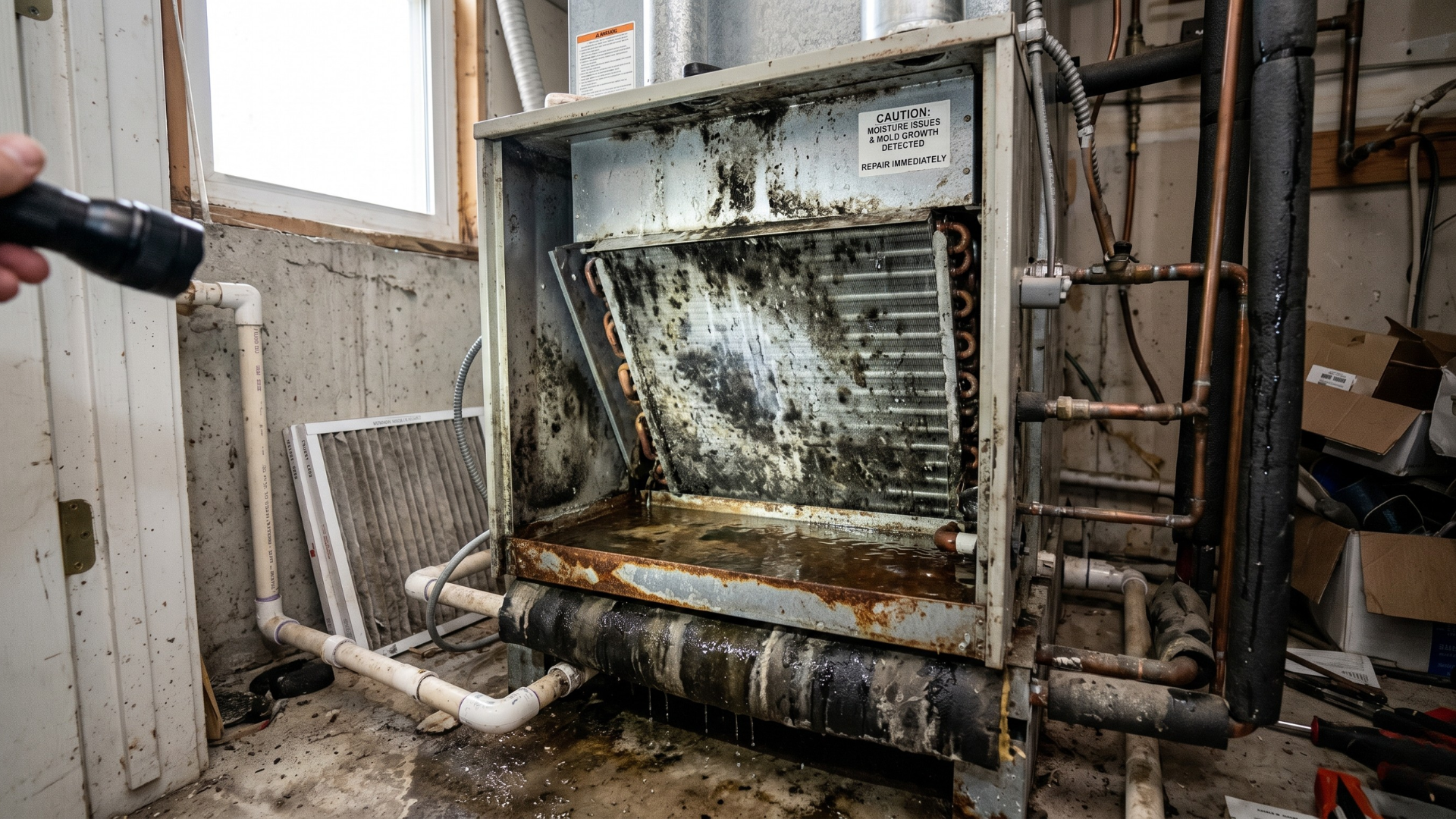
Moisture buildup within HVAC systems can create conditions that support mold growth, poor indoor air quality, and the spread of airborne contaminants throughout the property. Common concerns may include condensation, clogged drain lines, leaks, dirty ductwork, and excessive humidity within the system. Proper inspection and maintenance can help identify issues early and support a healthier indoor environment.
CONDENSATION ISSUES
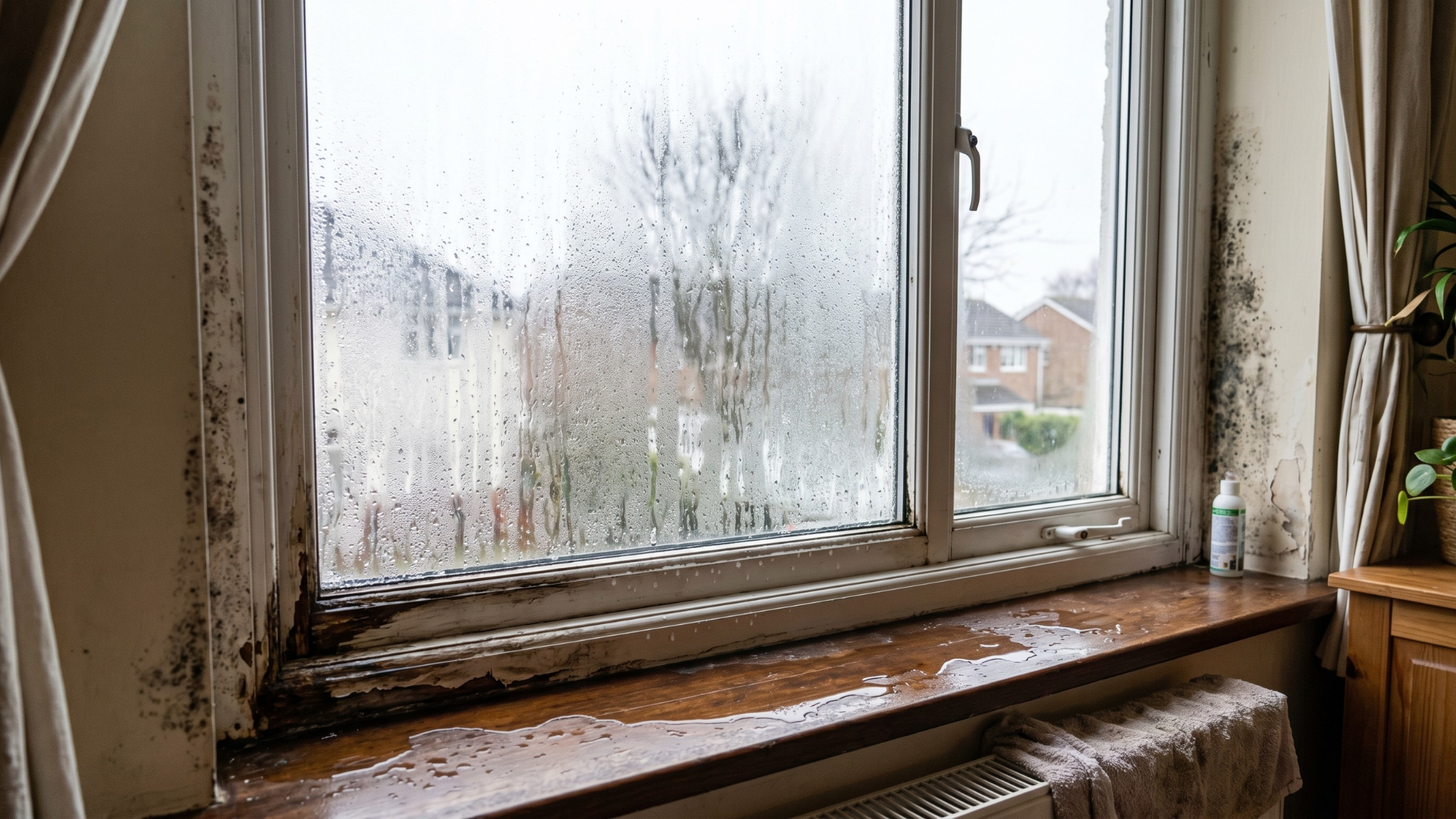
Condensation issues occur when excess moisture forms on surfaces due to humidity, temperature differences, or poor ventilation within the property. Persistent condensation around windows, walls, ceilings, pipes, or HVAC components can contribute to mold growth, water damage, and indoor air quality concerns if left unaddressed.